
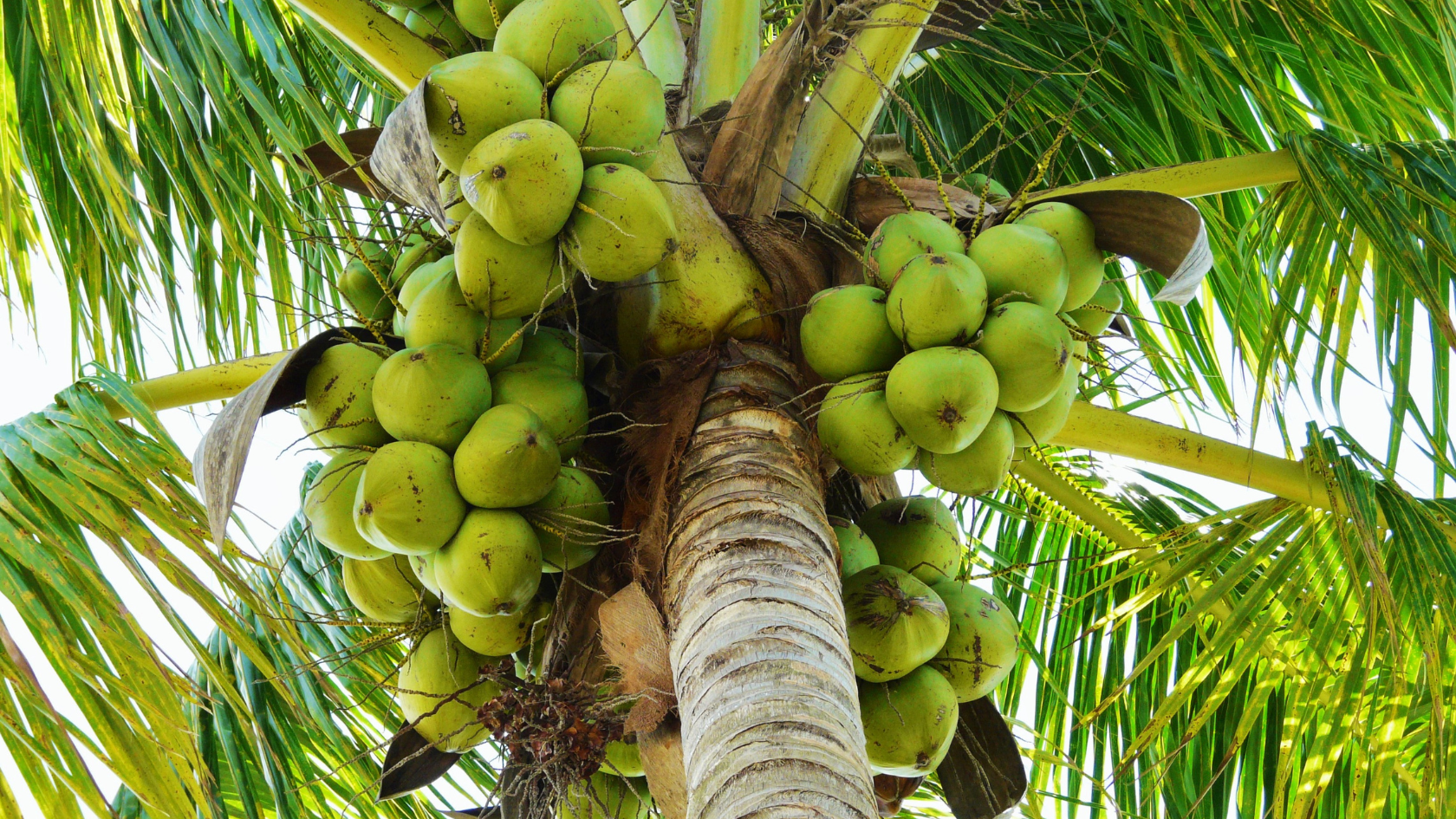
Few plants have served humanity as completely as the coconut. Across tropical cultures for thousands of years, the coconut palm has been called the "tree of life" — and it earns that name. Every part of the fruit has a use: the water, the flesh, the oil, the shell, the husk, the leaves.
But beyond its cultural significance, modern science has spent decades examining what's actually inside the coconut — and the findings are worth paying attention to.
This is a look at what the coconut actually does, and why it deserves a place in your daily routine.
A Fruit Unlike Any Other
The coconut (Cocos nucifera) is technically a drupe — a fruit with a fibrous husk surrounding a hard shell, inside which you find the white coconut meat and the liquid center. As the coconut matures, the liquid gradually becomes the meat.
At different stages of maturity, the coconut offers different nutritional profiles:
- Young coconut (6–9 months): High in water content, rich in electrolytes, lower in fat
- Mature coconut (12+ months): Higher in fat (coconut meat), richer in MCTs, less liquid inside
This means the products you get from a coconut — coconut water, coconut milk, coconut oil, desiccated coconut — each have distinct properties and different roles in a healthy diet.
Hydration and Electrolyte Balance
The most immediate benefit of the coconut is one of the most fundamental: hydration.
Coconut water is one of nature's most complete hydration sources. It contains a natural balance of potassium, magnesium, calcium, sodium, and phosphorus — electrolytes that the body loses through sweat, digestion, and daily activity.
Potassium alone is present in levels that rival whole bananas, making coconut water a meaningful contribution to daily intake for a nutrient that most people don't get enough of. Low potassium is linked to muscle cramps, fatigue, and poor cardiovascular function — all problems that proper hydration helps address.
Unlike synthetic sports drinks, which achieve their electrolyte content through chemical additions, coconut water delivers these minerals in their natural form, alongside naturally occurring sugars and enzymes that support absorption.
Heart Health
The relationship between coconuts and heart health has been debated — largely because coconut is high in saturated fat. But the type of fat matters enormously.
Coconut fat is primarily composed of medium-chain triglycerides (MCTs), particularly lauric acid (which makes up roughly 50% of coconut oil's fat content). Lauric acid behaves differently from the long-chain saturated fats found in animal products.
Research suggests that lauric acid raises HDL ("good") cholesterol, which plays a protective role in cardiovascular health. It may also help improve the overall HDL-to-LDL ratio, which is a more meaningful marker of heart disease risk than total cholesterol alone.
Additionally, coconut water has been studied for its potential to reduce blood pressure, thanks to its potassium content and natural antioxidants that help reduce oxidative stress on blood vessels.
Digestive Health
Coconut supports the digestive system in several ways.
Coconut water is gentle on the stomach and has long been used in tropical cultures as a remedy for digestive upset. Its natural enzyme content — including amylase, which helps break down starches — makes it a mild digestive aid. It's also one of the most easily tolerated forms of hydration during stomach illness, when keeping fluids down is difficult.
Coconut meat is a good source of dietary fiber, which supports regular bowel movement, feeds beneficial gut bacteria, and contributes to a healthy gut microbiome. The fiber in coconut is primarily insoluble, meaning it adds bulk and promotes digestive transit without spiking blood sugar.
Coconut oil has shown antimicrobial properties, particularly against certain bacteria and fungi that can disrupt the balance of the gut. Lauric acid, when consumed, is converted in the body into monolaurin — a compound that has been studied for its ability to disrupt the membranes of harmful microorganisms.
Immune Support
Lauric acid and caprylic acid — two of the primary fatty acids in coconut — have documented antimicrobial and antifungal properties. In the body, lauric acid is converted to monolaurin, which has been studied for its ability to fight certain viruses, bacteria, and fungi by interfering with their lipid membranes.
Coconut water also contains cytokines — naturally occurring proteins that play a role in immune signaling and cell regulation. While research is ongoing, the antioxidant content of fresh coconut water contributes to the body's overall ability to manage oxidative stress, which underlies many chronic conditions.
Energy and Metabolism
MCTs are metabolized differently from most dietary fats. While long-chain fatty acids require bile to digest and are processed through the lymphatic system, MCTs go directly to the liver, where they can be rapidly converted into energy — including ketones, which the brain uses as fuel.
This makes coconut-derived MCTs a valuable energy source for people who are physically active, following low-carbohydrate diets, or simply looking for sustained energy without blood sugar spikes. Unlike fast-digesting carbohydrates that cause a rapid rise and fall in blood sugar, MCTs provide a slower, more stable energy curve.
Athletes, particularly endurance athletes, have increasingly turned to MCT-rich foods as a performance and recovery tool — using them alongside carbohydrates or as a standalone fuel during fasted training.
Skin and Hair: The External Benefits
Coconut isn't only beneficial internally. Coconut oil has been used for centuries as a topical moisturizer, hair treatment, and skin protector — and modern dermatological research backs up many of these traditional uses.
For skin: Coconut oil is deeply moisturizing, with the ability to penetrate the skin's outer layers more effectively than many mineral oil-based products. Its antimicrobial properties make it particularly useful for people with eczema or other inflammatory skin conditions, where barrier function is compromised and infection risk is higher. Studies have shown that coconut oil application can significantly improve skin hydration and reduce water loss.
For hair: Coconut oil has a unique molecular structure that allows it to penetrate the hair shaft rather than simply coating the outside. This makes it one of the most effective natural treatments for reducing protein loss in hair — keeping strands strong, reducing breakage, and improving elasticity.
Bone and Muscle Support
The mineral content in coconut water — particularly calcium, magnesium, and phosphorus — contributes to bone density and muscle function. Magnesium, often underconsumed in modern diets, plays a role in over 300 enzymatic reactions in the body, including protein synthesis, muscle and nerve function, and energy production.
Potassium supports proper muscle contraction and helps counteract the muscle-cramping effects of low electrolyte levels — which is why coconut water has become a popular post-exercise recovery drink.
A Note on Whole-Food Quality
Like any food, the benefits of coconut depend significantly on the quality of the product. Heavily processed coconut products — those with added sugars, artificial flavors, preservatives, or fillers — don't carry the same profile as products made from fresh, minimally processed coconut.
Fresh coconut water from young coconuts retains its natural enzyme content and full electrolyte profile. Coconut milk made with a high concentration of real coconut meat delivers genuine MCTs and natural fats. Coconut oil cold-pressed from fresh coconut flesh preserves its lauric acid content and antioxidants.
The closer the product is to the original fruit, the more completely it delivers what the coconut has to offer.
The Bottom Line
The coconut is not a trend. It's a fruit with thousands of years of traditional use and a growing body of scientific research supporting its nutritional value. From hydration and heart health to digestion, immunity, and skin care, few single ingredients offer such a complete range of benefits.
The key is choosing products that honor the fruit — made simply, sourced carefully, and processed as little as possible.
At CocoOne, that's the standard we hold ourselves to. Because the coconut doesn't need improving. It just needs to be treated right.
Share:
Coconut Water: Nature's Purest Hydration